Kastave began on the bank, not in a lab: a passionate angler and a sonar expert saw the same gap between
underwater science and real fishing decisions. Chester knew how to read water; William knew how to read
echoes, yet still struggled to find fish in practice. Together with Leo's engineering depth, they built
Kastave to help anglers find fish faster.
Kastave began on the bank, not in a lab.
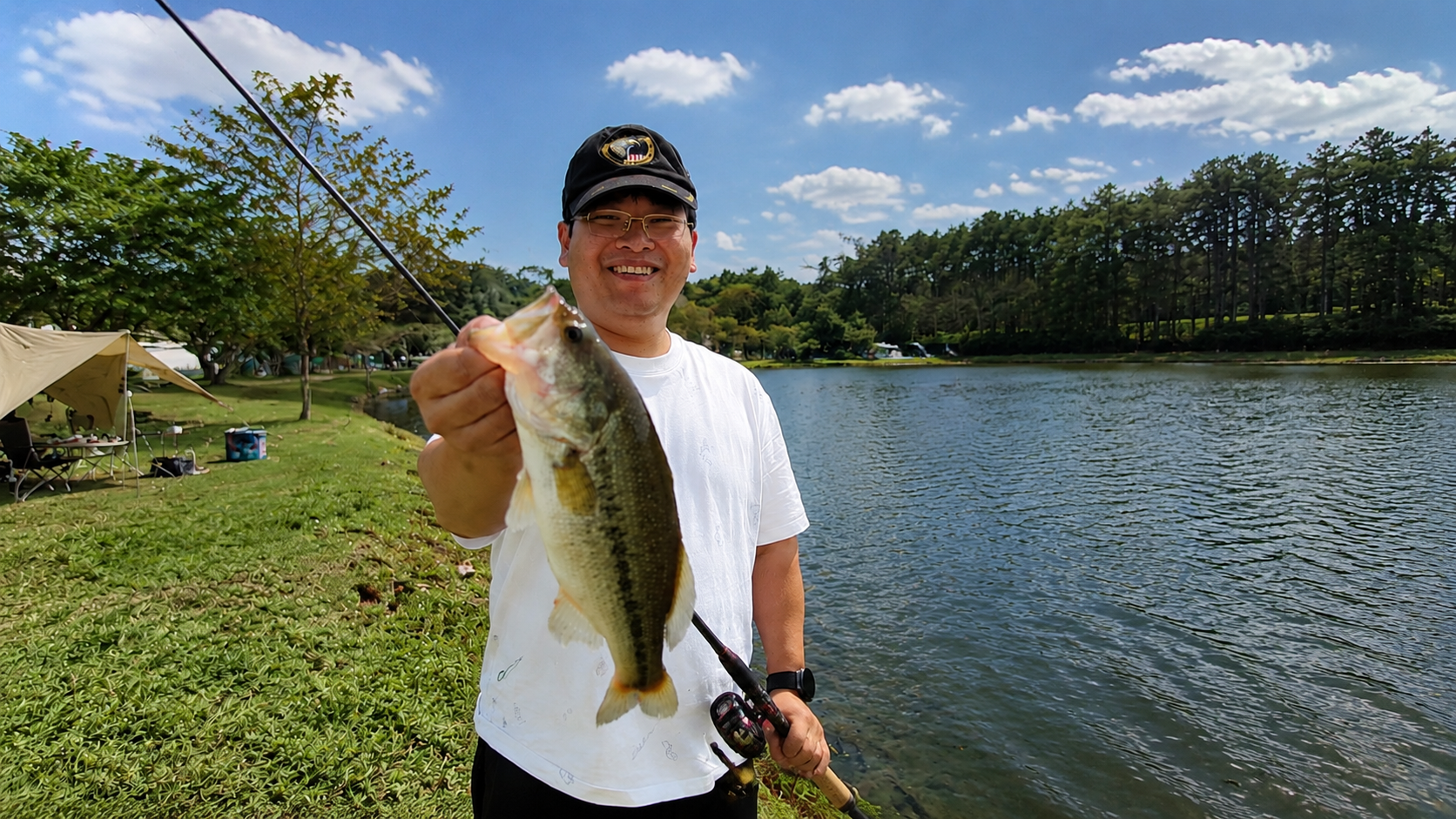
Chester has always been passionate about fishing. He knew how to read a spot, where fish were likely to
move, and how small changes in timing, depth, and position could decide whether a session ended with a
catch or nothing at all.
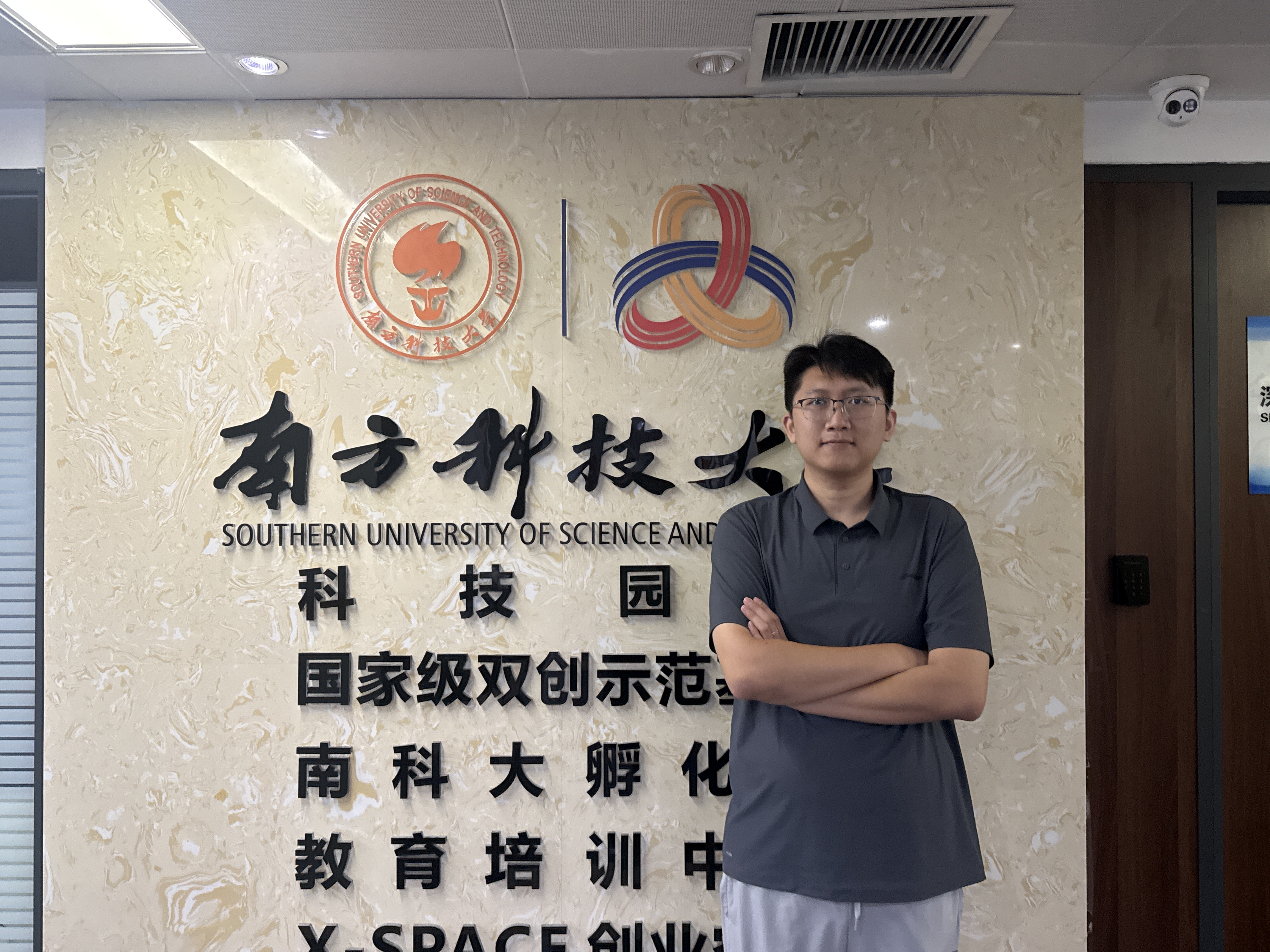
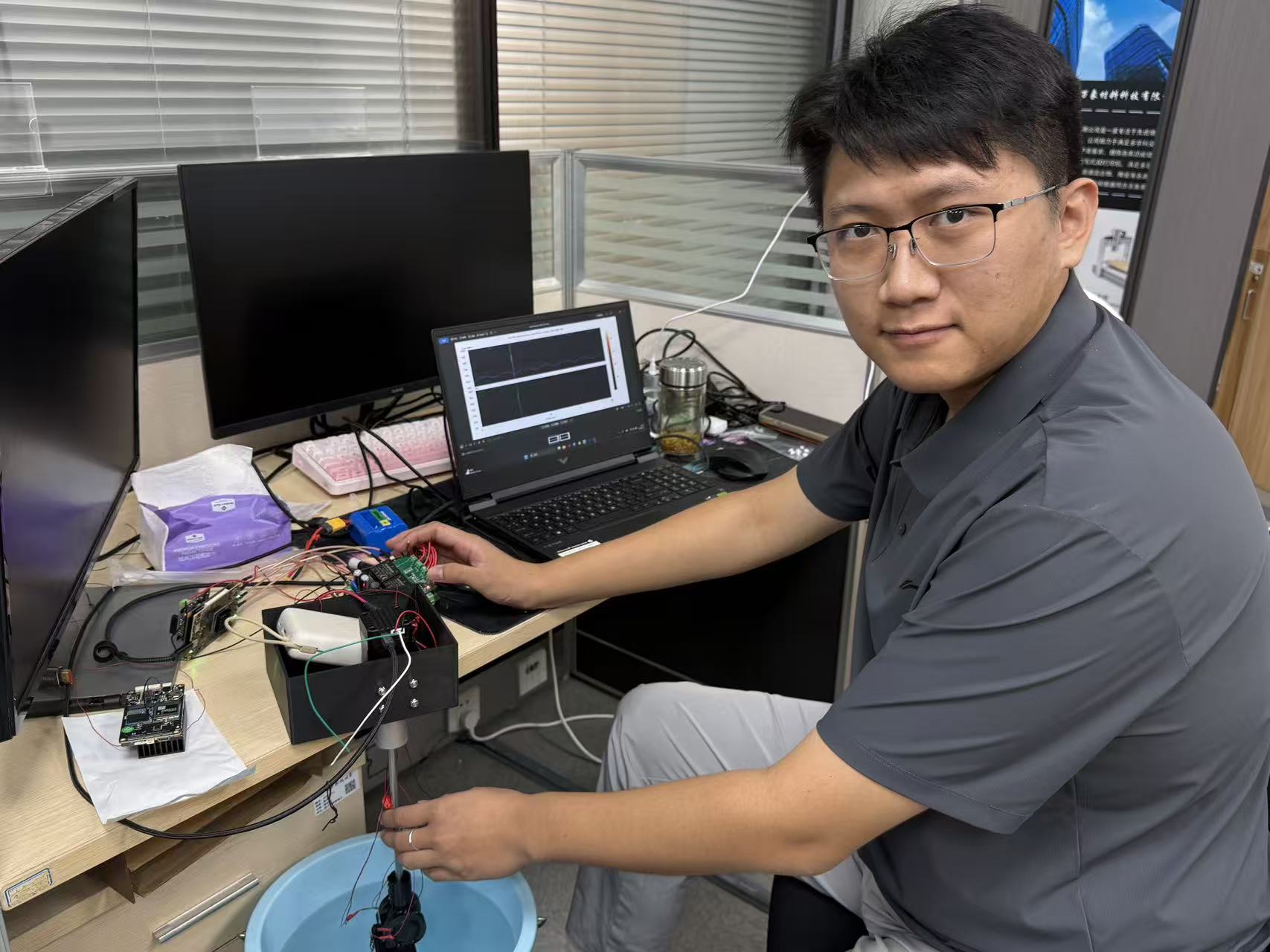
William, on the other hand, was a sonar expert. With a PhD background in underwater acoustic sensing,
he understood signals, echoes, and what happens beneath the surface from a technical point of view. But
when Chester took him fishing, something funny kept happening.
They would fish the same water, often from nearby spots, under the same weather and conditions. Chester
could find fish and get bites, while William repeatedly failed to catch anything. For William, it was
frustrating. He understood the science of seeing underwater, yet in real fishing, he still could not
reliably know where the fish were.
That contrast became the starting point of Kastave.
William realized that professional sonar knowledge was still too far away from everyday fishing
decisions. Chester realized that many anglers face the same problem: they spend hours guessing where
fish are, relying on experience, luck, and trial and error.
Together, they asked a simple question:
Can we build something that helps anglers find fish faster?
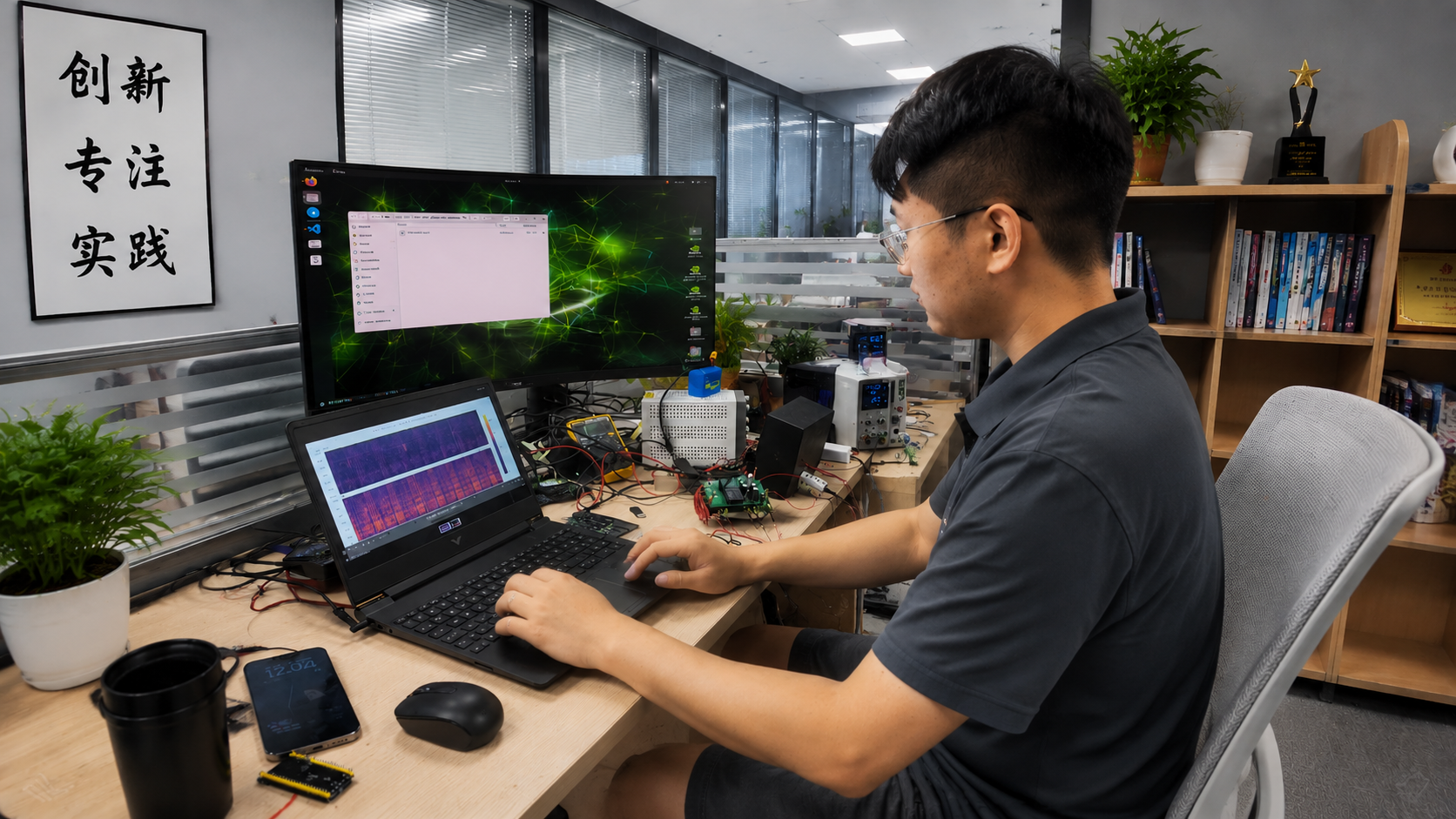
To turn that idea into a real product, they brought in Leo, a mechanical engineering PhD from PSU. With
William's sonar expertise, Chester's fishing experience, and Leo's engineering ability, Kastave was
created to make underwater information easier to understand and more useful for every fishing
enthusiast.